


What Pesticides Are:
Definition Of Pesticides:
So, you might have a question: What Pesticides Are?
According to the World Health Organization (WHO, 2020),
“Pesticides are chemical compounds used to kill pests, including insects, rodents, fungi, and unwanted plants (weeds).”
They are also known as biocides. They are designed to prevent, destroy, repel, or control pests that harm crops, humans, or animals.
Agents That Qualify as Pesticides:
Pesticides include a wide variety of agents:
- Chemical agents (synthetic compounds like DDT, malathion)
- Biological agents (microbes like Bacillus thuringiensis)
- Plant-derived agents (e.g., nicotine, pyrethrin)
They are growth regulators and repellents
They act by:
- Interrupting nervous transmission
- Inhibiting metabolic pathways
- Disrupting hormonal balance or growth processes in pests.
Microbial Pesticides:
These are biological control agents derived from microorganisms, such as bacteria, fungi, viruses, or protozoa, that kill or inhibit pests.
Example:
- Bacteria: Bacillus thuringiensis (Bt) — produces Cry toxins toxic to insect larvae.
They are eco-friendly, specific, and biodegradable compared to chemical pesticides.
Historical Background:
DDT (Dichlorodiphenyltrichloroethane)
DDT was discovered in 1939 by Paul Müller, who later got the Nobel Prize in 1948.
DDT was widely used in WWII against malaria and typhus. It was later banned (Stockholm Convention, 2001) due to bioaccumulation and bird population decline (thin eggshells).
Agent Orange
A defoliant used during the Vietnam War.
Contaminated with dioxin (TCDD). It was highly toxic, caused cancer, birth defects, and organ damage.
Other Notable Pesticides:
Aldrin, Dieldrin: Persistent organic pollutants (POPs) Malathion, Parathion: Organophosphates, less persistent but more acutely.
Routes of Exposure:
Humans are exposed to pesticides mainly through:
- Dermal (Skin Contact): Common in agricultural workers.
- Inhalation (Respiratory): Spraying, fumigation, poor ventilation.
- Oral (Ingestion): Contaminated food, water, or accidental swallowing.
- Ocular (Eyes): Splashing during mixing or application.
Classification by Chemical Structure:
Organochlorines (e.g., DDT, Aldrin, Heptachlor)
Mechanism: It disrupts sodium/potassium ion transport in neurons. Features: It is persistent, bioaccumulative, lipophilic, and banned.
Health Effects: It causes neurological disorders, endocrine disruption, and is a carcinogen.
Organophosphates (e.g., Parathion, Malathion)
Mechanism: Inhibits acetylcholinesterase (AChE) → accumulation of acetylcholine → continuous nerve stimulation.
Acute Effects: SLUDGE syndrome (Salivation, Lacrimation, Urination, Defecation, Gastro upset, Emesis), convulsions, death. Chronic Effects: Neuropathy, developmental and cognitive issues.
Pyrethroids (e.g., Permethrin, Deltamethrin, Cypermethrin)
Mechanism: Prolonged opening of voltage-gated sodium channels → hyperexcitation of neurons.
Low mammalian toxicity, rapidly degraded, used in mosquito nets and home sprays.
Health Effects: Skin irritation, paraesthesia, and rarely seizures in high doses.
Disorders and Health Impacts:
Acute Toxicity:
It causes headache, dizziness, muscle twitching, and convulsions.
Chronic Toxicity:
Neurological: Parkinson-like symptoms.
Endocrine: Thyroid and reproductive disruption.
Carcinogenic: DDT. Hepatic: Liver enzyme induction and fatty liver changes.
Environmental Effects:
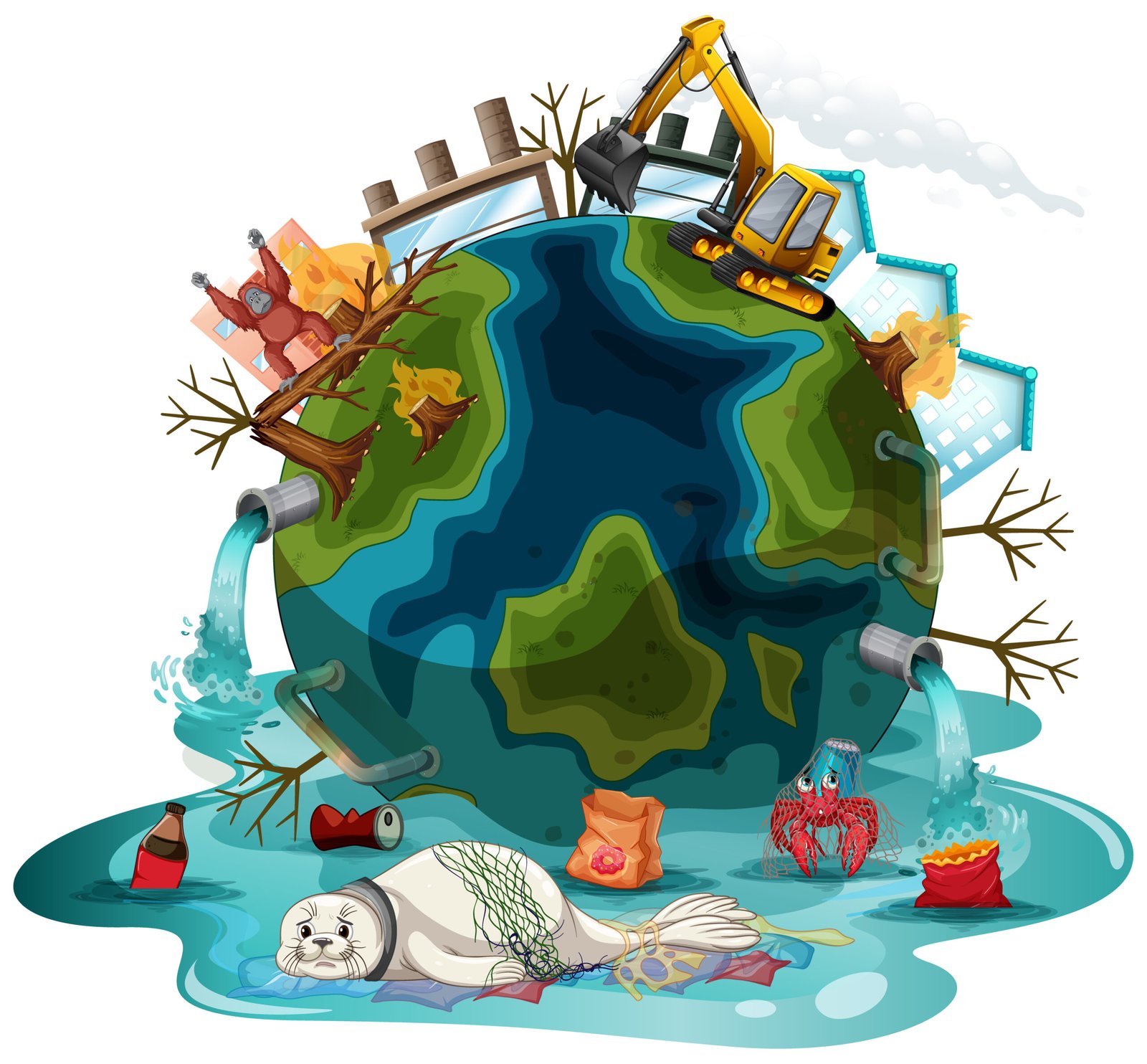
It causes soil and water contamination. It bioaccumulates in food chains. It caused the death of non-target species (e.g., bees, fish, birds).
Control and Regulation:
WHO classification: Based on acute hazard (Classes Ia to U)
Stockholm Convention: Bans persistent organic pollutants (e.g., DDT)
Integrated Pest Management (IPM): Combines biological, cultural, and mechanical methods with minimal pesticide use.
Other Reference Blogs:
- Phthalates: Environmental Concentration, Exposure, and Toxicokinetics
- What Is Pollution? Effects, Causes & Solutions


Leave feedback about this