

ABSTRACT
Phthalates are synthetic chemical plasticizers that are widely used all over the world to increase the flexibility of PVC. They are ubiquitous and are found in toys, personal care products, food packaging, and medical devices. They are accumulative, lipophilic, and can pose a high risk to the environment and to human health. They cause certain health issues, such as endocrine disruption and metabolic disorders. They also cross the BBB and the placental membrane.
As a result of their toxicity, the global bodies have imposed serious regulations and limits, typically, 0.1% on major phthalates such as DEHP, DBP, BBP, etc. This paper highlights the proper explanation of phthalates, it’s health and environmental effects, recommendations, and global rules and regulations for environmental safety.
INTRODUCTION OF PHTHALATES
Phthalates:
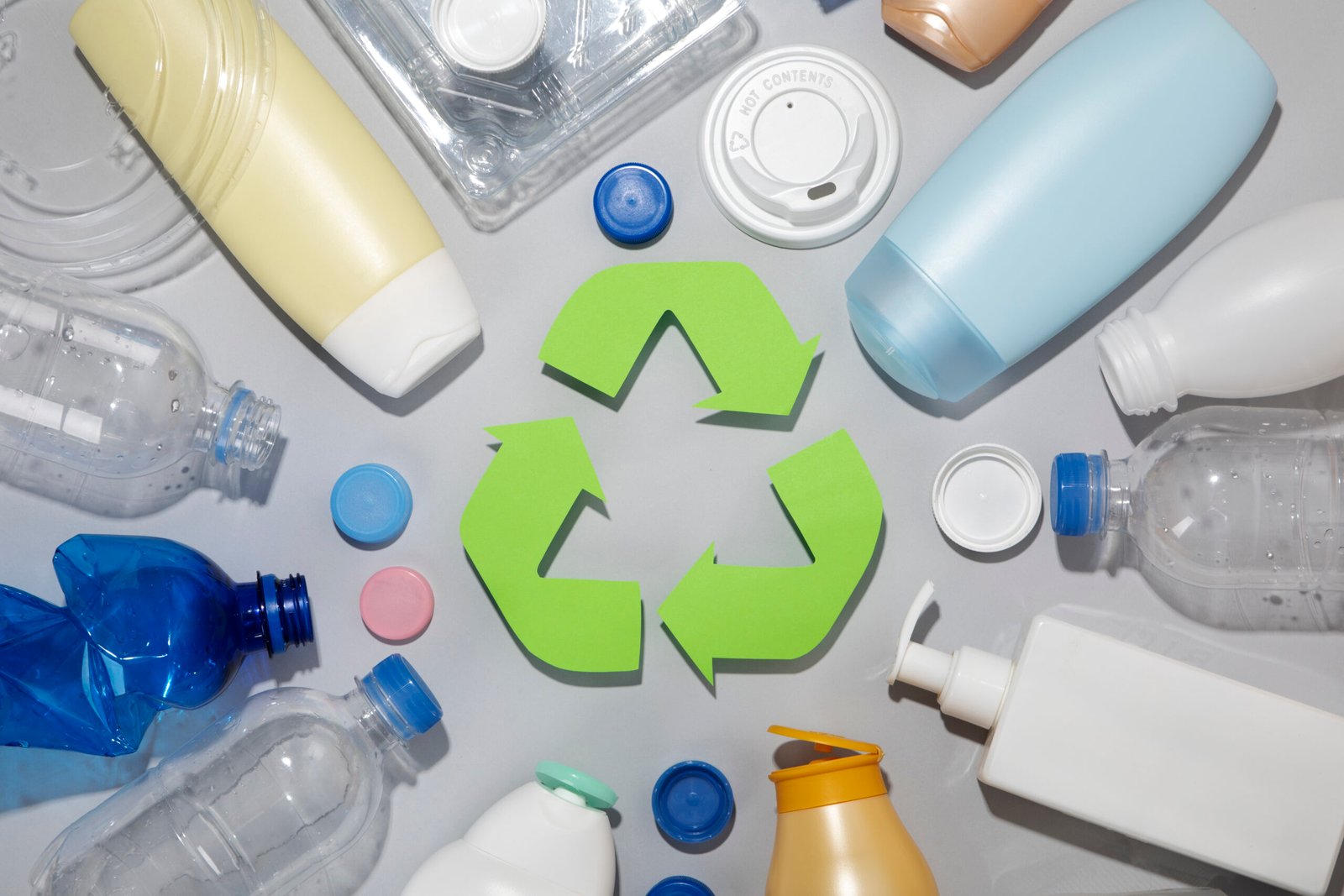
A group of synthetic chemical compounds primarily used as plasticizers to make plastics, especially PVC, more flexible and durable.
They are of various types and kinds.
- Benzyl butyl phthalate
- Diisodecyl phthalate
- DBP
- DEHP
- Di-n-butyl phthalate
- Diethyl phthalate
- Di-n-octyl phthalate
- Di cyclohexyl phthalate
- Di isobutyl phthalate
- Dimethyl phthalate
- Diisononyl phthalates
They mainly come from many cosmetics, plastic products, and food items.
- They are found in PVC products like toys and flooring.
- They are found in shampoos, lotions, hair gels, perfumes, soaps, and nail polishes.
- They are also found in paints.
- The plastic packaging of food items also contains phthalates.
- Some of them are naturally occurring.
They are semi-volatile organic compounds that are not chemically bounded to the polymers; hence they are moderately persistent comparative to PCBs and dioxins they are not highly persistent but some of the phthalates with higher molecular weight persists a bit longer. They easily leach out, evaporates and suspends into the environment. They are found in the air, water and soil. The phthalates with lower molecular weight are mainly found in water and air. While, the higher molecular weight compounds are hydrophobic and are adsorbed into the soil and sediments.
EXPOSURE ROUTES
The most common ways of human exposure to phthalates are through ingestion, intravenous contact, inhalation and dermal contact.
The oral ingestion of phthalates is due to contaminated food wrapped in plastics or cooked in plastic containers. Infants using plastic feeding bottles, people consuming large amounts of packaged foods and pregnant women are more suspectable.
It can also be ingested through dust particles which shows accidental exposure. Ingestion is the dominant route for the general population.
The other route involves the inhalation; the airborne phthalates or dust particles are inhaled.
Phthalates can also be absorbed through skin contact, particularly from the usage of personal care products. The direct skin contact enhances and allows the absorption of lipophilic phthalates through the epidermis.
They can also be exposed through the prenatal routes mainly the placental membrane and are found in amniotic fluid, which leads to potential exposure of developing fetus. These routes are of high risks.
ADME OF PHTHALATES
ABSORPTION:
As mentioned above, the gastrointestinal route is of major dominance. Once the phthalates are ingested via food, water or dust, such as DEHP, DBP, and BBP they are rapidly hydrolyzed by the intestinal pancreatic esterases into their monoester forms, such as DEHP into MEHP. The monoesters are absorbed through the intestinal mucosa into the systematic circulation of human body. The phthalates with lower molecular weight are absorbed 90% while of higher molecular weight are absorbed partially due to their lipophilicity.
The absorption of phthalates through skin depends mainly on the polarity and the molecular size of the phthalates. The phthalates with lower molecular weight are absorbed as they penetrate into the skin and appears to be in the circulation. On the other hand, the phthalates with higher molecular weight show limited and slower absorption.
The absorption through inhalation occurs either in the vapor phase or they are bound to fine particulate matter. If the phthalates are volatile and are primarily in their gaseous state so they undergo high pulmonary absorption, but if they are adhered to aerosols they are absorbed after particle deposition into the alveoli. After getting absorbed they become a part of the systematic circulation.
DISTRIBUTION:
Once absorbed, both the diesters and monoesters distributes into the tissues. As they are of lipophilic nature they accumulate into the adipose tissues, liver, kidneys and gonads. They can easily cross the BBB (Blood Brain Barrier) and the placental membrane. The MEHP binds to the plasma albumin (protein).
They usually accumulate into the liver which is the primary site of metabolism, to the kidneys as they are the main source of excretion and the site of secondary metabolism, being lipophilic they find their temporary residence in the adipose tissues and also into the testes which is the target organ of the reproductive toxicity.
METABOLISM:
Phthalates undergo extensive and rapid metabolism by two processes through PHASE 1 and PHASE 2.
Phase 1 (HYDROLYSIS):
This step is of great importance and is the primary step as well:
The Diesters are converted into monoesters and alcohol. They are catalyzed by esterases that are found in the intestine, plasma and the liver. Monoester compounds are considered to the more toxic than the actual parent compound and are known for causing testicular toxicity.
Phase 1 (OXIDATION):
the monoesters undergo oxidations of the alkyl chains. This is done by the Cytochrome P450s enzyme. Once oxidation is completed, these compounds become more hydrophilic and are easily excreted out of the body.
Phase 2 (CONJUGATION):
In this phase, the oxidized monoesters forms conjugate with glucuronic acid with the help of UDP-glucuronosyltransferases (UGTs). It forms glucuronides like MEHP-glucuronide which is more water soluble. The conjugates are easily excreted out of the body via urine and bile.
EXCRETION:
they are usually excreted through the urine and bile followed by feces. The maximum half lives of these compounds are 12-24 hours that’s why they are not highly persistent. Soe trace amounts are found in the breast mil which leads to infant exposure.
FATE OF TOXIC ELEMENTS
The fate of phthalates depends on various factors, such as;
The molecular weight, solubility, volatility, and environmental conditions such as the pH, temperature and oxygen availability.
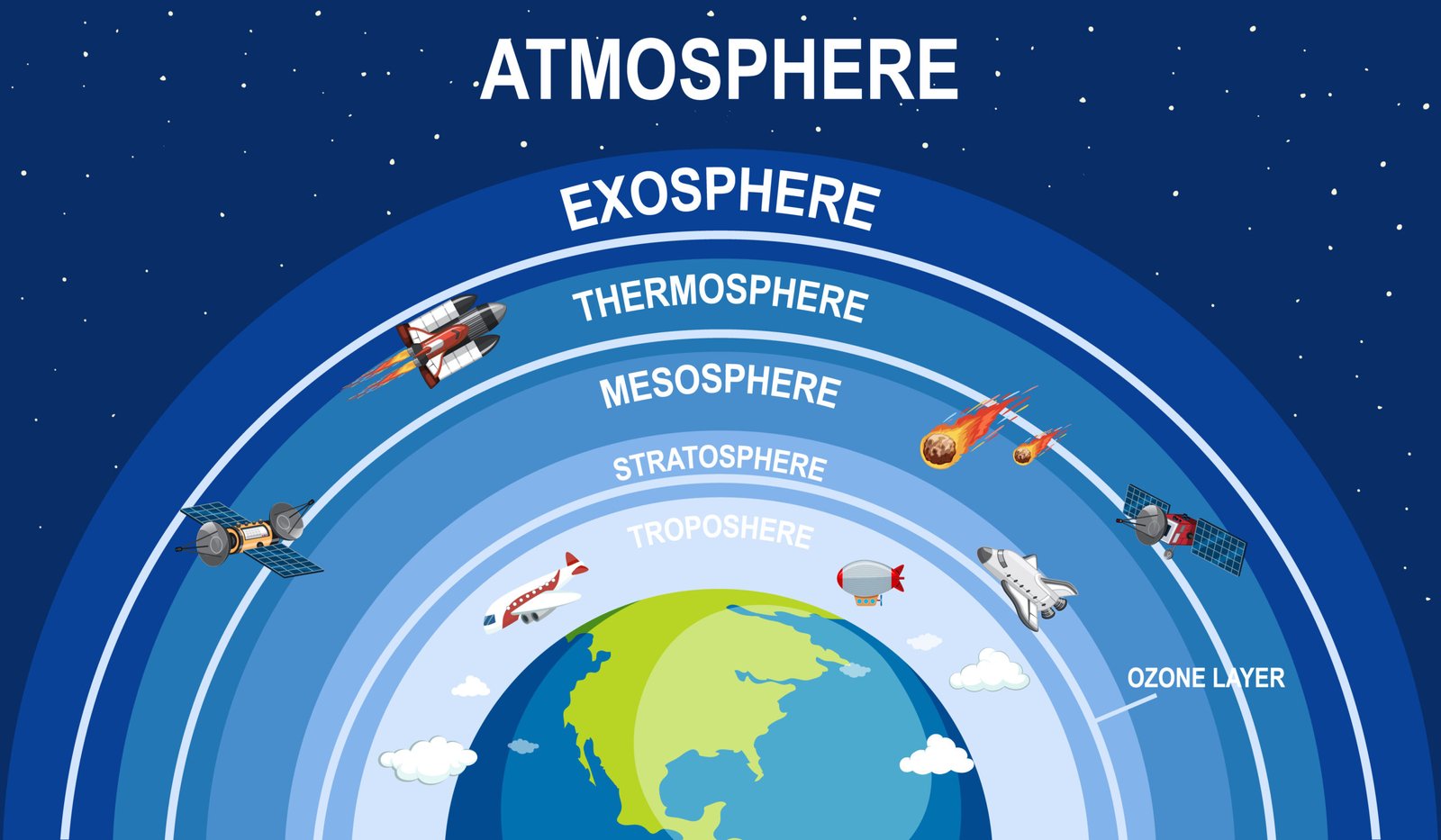
The atmospheric fate usually includes the photochemical oxidation by the hydroxyl radicals and then the phthalates ultimately get deposited back to the soil and water.
The aquatic fate includes the hydrolysis which is very slow and is limited to esters under alkaline conditions. The aerobic degradation is faster than the anaerobic. The phthalates then get accumulated into the sediments where they are persistent for months due to the oxygen availability and microbial action.
The biological fate includes the bioaccumulation and metabolism which includes hydrolysis, oxidation and conjugation processes so as to degrade the phthalates and convert them into simpler molecules that can be easily excreted out of the human body.
The DEHP, DEP, DBP, BBP, DnOP are metabolized into MEHP, MEP, MBP, MBzp, MnOP, respectively.
The properties of these compounds are:
They are biodegradable, less persistent, moderately mobile, strongly adsorbed to sediments.
MOVEMENT THROUGH THE ECOSYSTEM
Phthalates move easily int the environment due to their semi volatility and weak bonding.
Atmosphere:
Phthalates with molecular weight can evaporate from the plastic surfaces into the atmosphere as they are volatile. The phthalates of higher molecular weight attach to the aerosols and dust particles as vapors. The air currents are the medium and source of transportation to long distances. They can easily settle on the soil and water causing contamination.
Aquatic Movement:
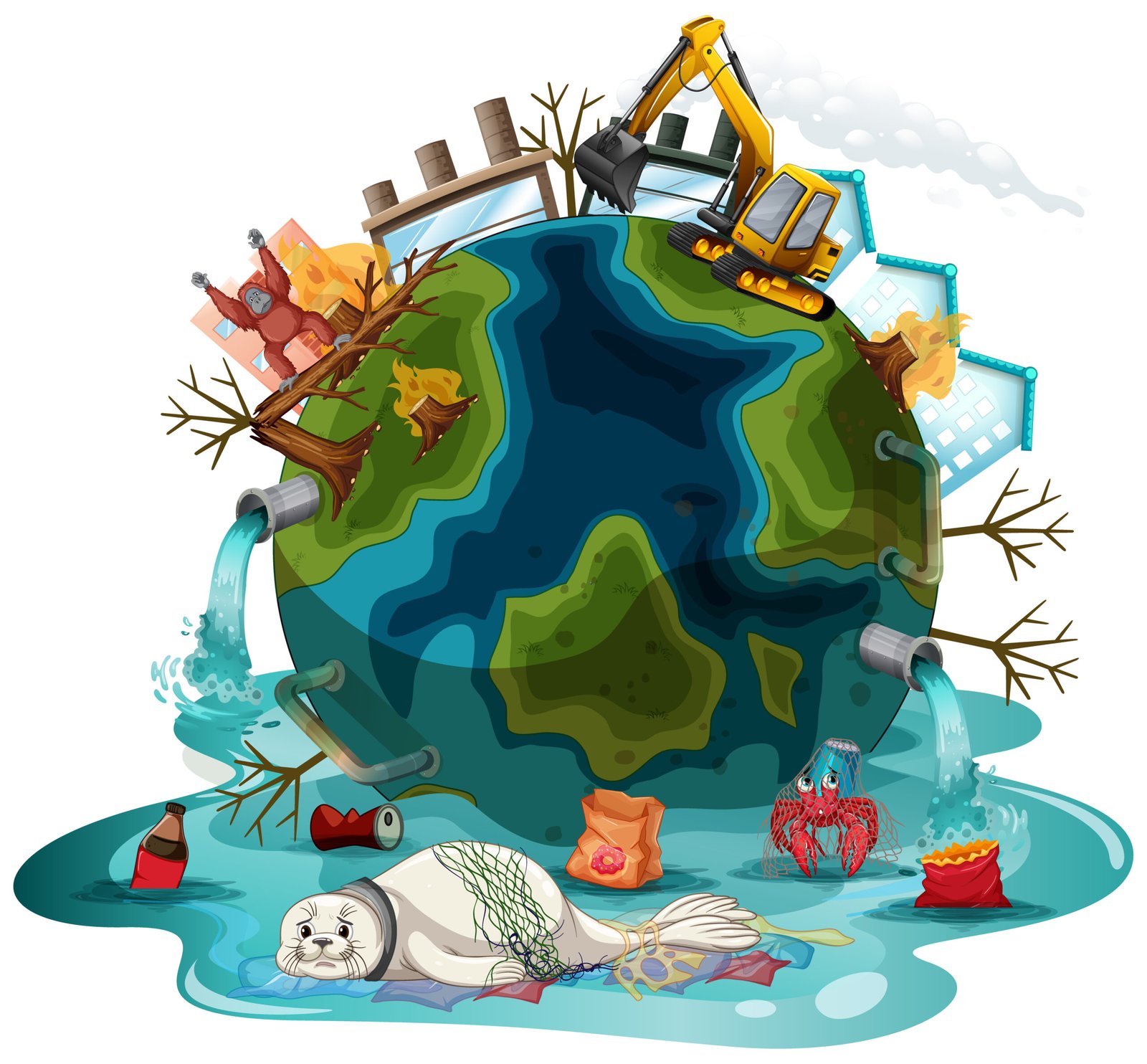
The water bodies are contaminated by the phthalates due to the industrial runoff, plastic debris leaching, sewage sludge etc. they are highly hydrophobic and they tend to adsorb onto the sediments and suspended particles. The source of transportation includes the flowing river and ocean currents.
In Soil:
The entry routes of phthalates in soil includes the atmospheric deposition, agricultural contamination and sewage sludge, leaching from the landfill sides, etc. the phthalates adsorb strongly with the organic matter due to their hydrophobicity. They are highly mobile in inorganic soils and poorly mobile in organic soils.
Bioaccumulation and Biomagnification:
They are up taken by the contamination of water, soil and prey. The bioaccumulation of phthalates is usually moderate but their continuous exposure can lead to residues in fishes, birds and mammals. They get biomagnified as well. Therefore, they persist at low levels across multiple trophic levels.
INTEGRATED MOVEMENT PATHWAY
The cycle is dynamic.
Releases from the Plastics
↓
Gets into the atmosphere and is transported via air currents.
↓
Leached into soils and into the aquatic runoff.
↓
Is sedimented and sorbed for long term storage.
↓
The uptake by plants and living organisms, gets accumulated into the food chain.
BIOACCUMULATION
Bioaccumulation refers to the process by which substances accumulate into a living organism rapidly or gradually.
There are various studies that highlights different analysis;
- In many mangrove ecosystems the phthalates accumulate into the sediments and organisms.
- Many studies showed although bioaccumulates but their biomagnification is lee or almost absent.
- The accumulation also varies with factors such as long chains, hydrophobicity, etc.
HEALTH EFFECTS
They cause endocrine disruption as they interfere with the androgen, estrogen and thyroid. This reduces fertility, causes changes in the reproductive development etc.
They also cause oxidative stress, cytotoxicity and metabolic disruptions.
LEGAL FRAMEWORK
The EU under the REACH Regulation, the four main phthalates DEHP, DBP, BBP, and DIBP are restricted 0.1% in all consumer products.
The US has imposed a ban on 0.1% or more on DEHP, DBP, BBP, DINP, DIDP in children’s toys.
While in Pakistan, no such restrictions or regulations are imposed on phthalates in any product.
RECOMMENDATIONS
- Governments must impose stricter regulations onto the products made up of plastic for public safety and health.
- Laboratories must be established so as for the routine analysis of phthalates concentration in products.
- Clear labeling must be done for the type of plastic being used on consumer goods.
- There must be substitution of phthalates.
- Conduct supply-chain audits to identify the phthalates.
- The consumption of food in plastic packaging must be discouraged.
- Alternatives of plastic bags must be found.
- Public awareness is mandatory.
CONCLUSION
Phthalates pose a persistent and health risk towards the environment and public health. They widespread usage of these compounds causes bioaccumulation and toxicological effects. The Global regulatory bodies have recognized its threat and have imposed restrictions upon the excessive usage . It’s not necessary but mandatory to ensure the safe testing, public health concern, safety laws and public awareness. A coordinated support between the government, stakeholders and civil society is necessary to cope up with this emerging issue so that we can have safe and phthalate free future or the upcoming generations and for ourselves as well.
REFERENCES
- Hauser, R. A.M, Calafat, Phthalates and human health,2005.
- Wang, Y., Zhu, H., Kannan, K. A review of biomonitoring of phthalate exposures in Asian countries – Levels, trends and implications. 2019.
- Lyche, J.L., Gutleb, A.C., Bergman, A., Reproductive and developmental toxicology of phthalates., 2009.
- Jarett, C. Ashely, S. Phthalates Toxicity, 2013.



Leave feedback about this