
Definition Of Climate Change:
Climate change is referred to as the long-term change in the temperature and weather patterns of Earth, occurring on planet Earth for decades.
“Never underestimate the power of 1˚tilt and 1˚C rise in temperature.”
Introduction:
Before diving into this blog, let’s comprehend the principal cause of Climate Change and Climate Shift, aka GLOBAL WARMING.
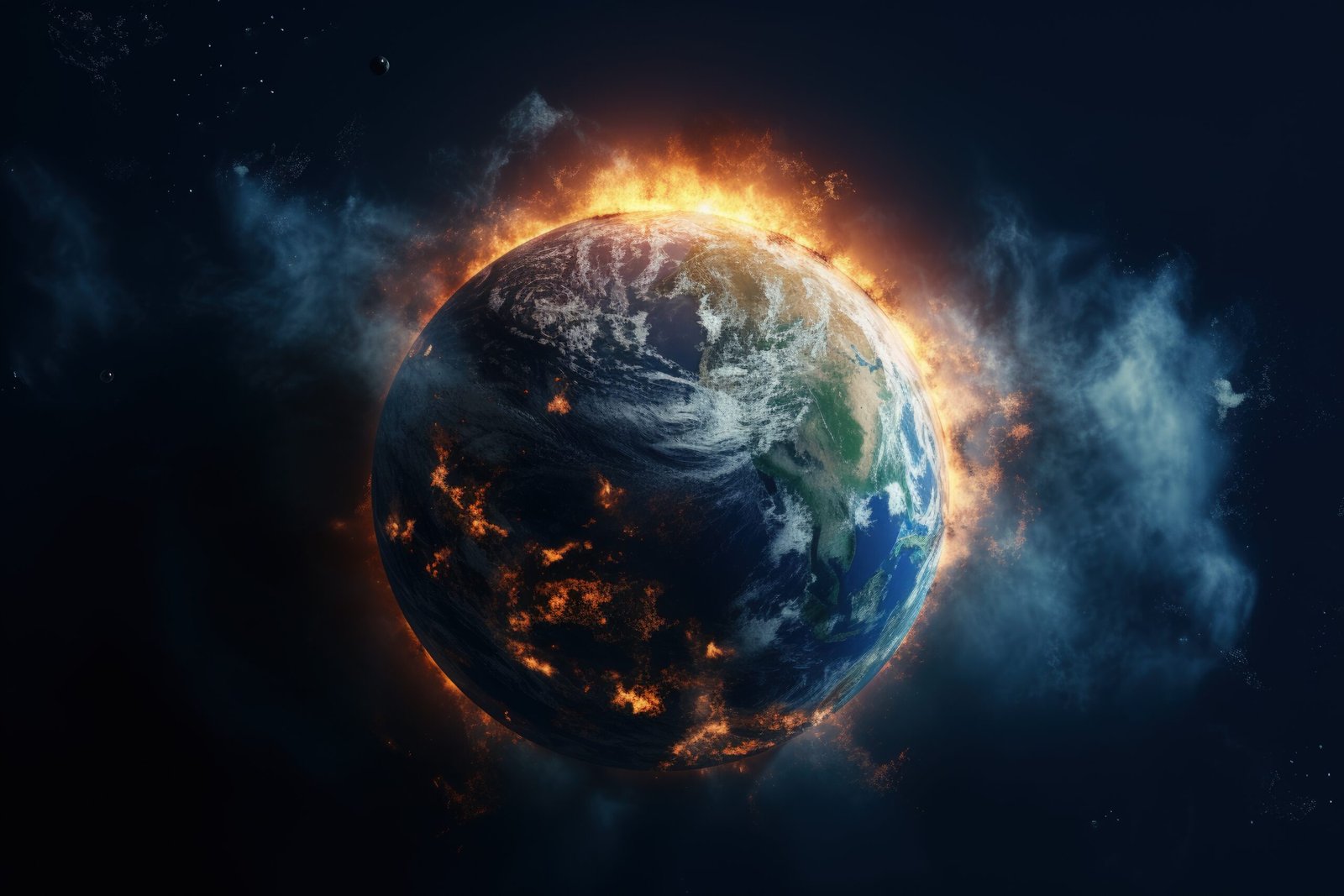
Anthropogenic activities mainly accelerate the buildup of greenhouse gases, causing the long-term rise in the Earth’s average temperature, which is defined as global warming.
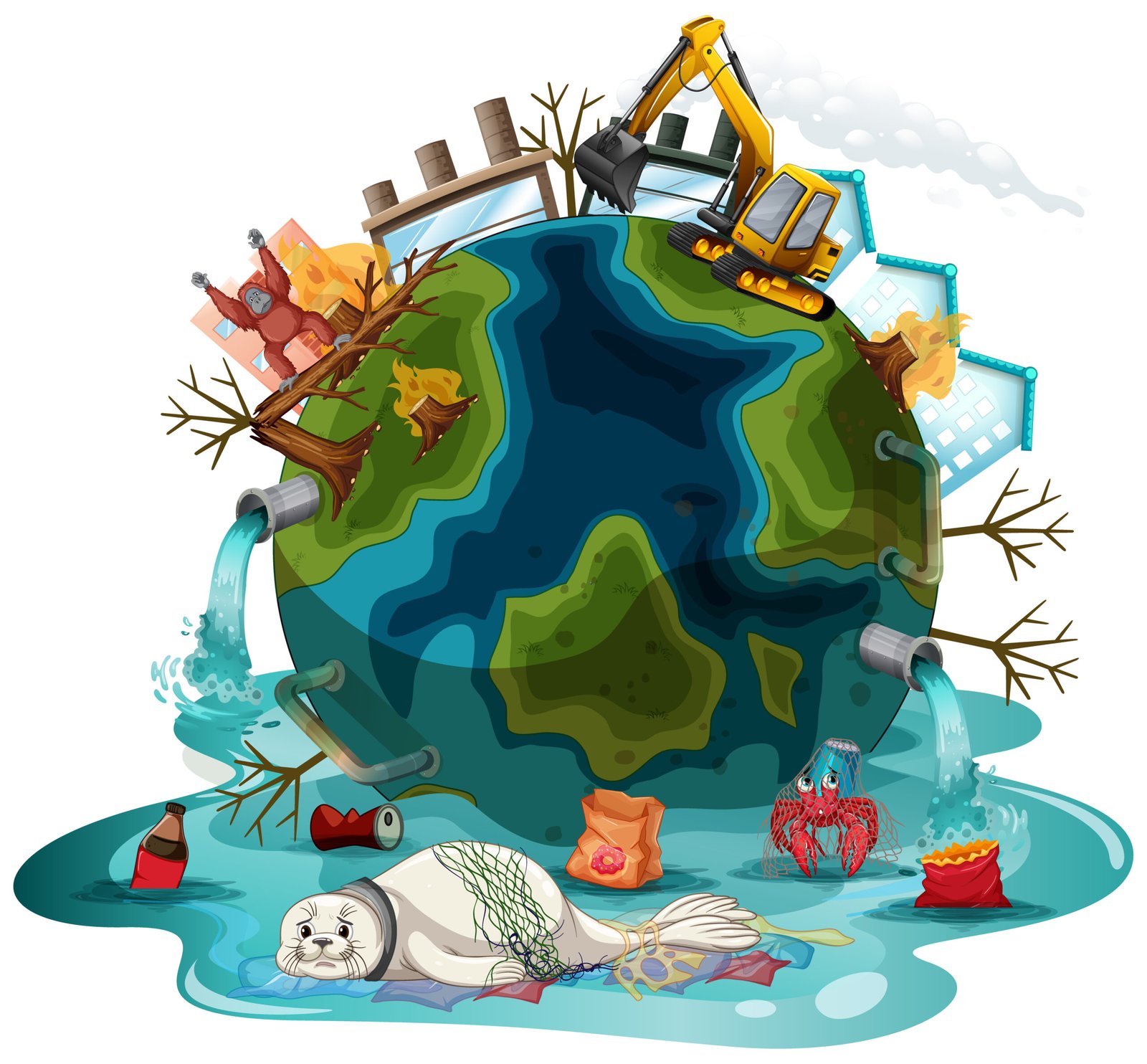
These activities consist of the larger dependency on non- renewable energy resources, emissions from the automobiles, industries and powerplants, deforestation for urbanization, mining to extract resources, etc. Collectively, these activities cause massive pollution and deterioration of the environment.
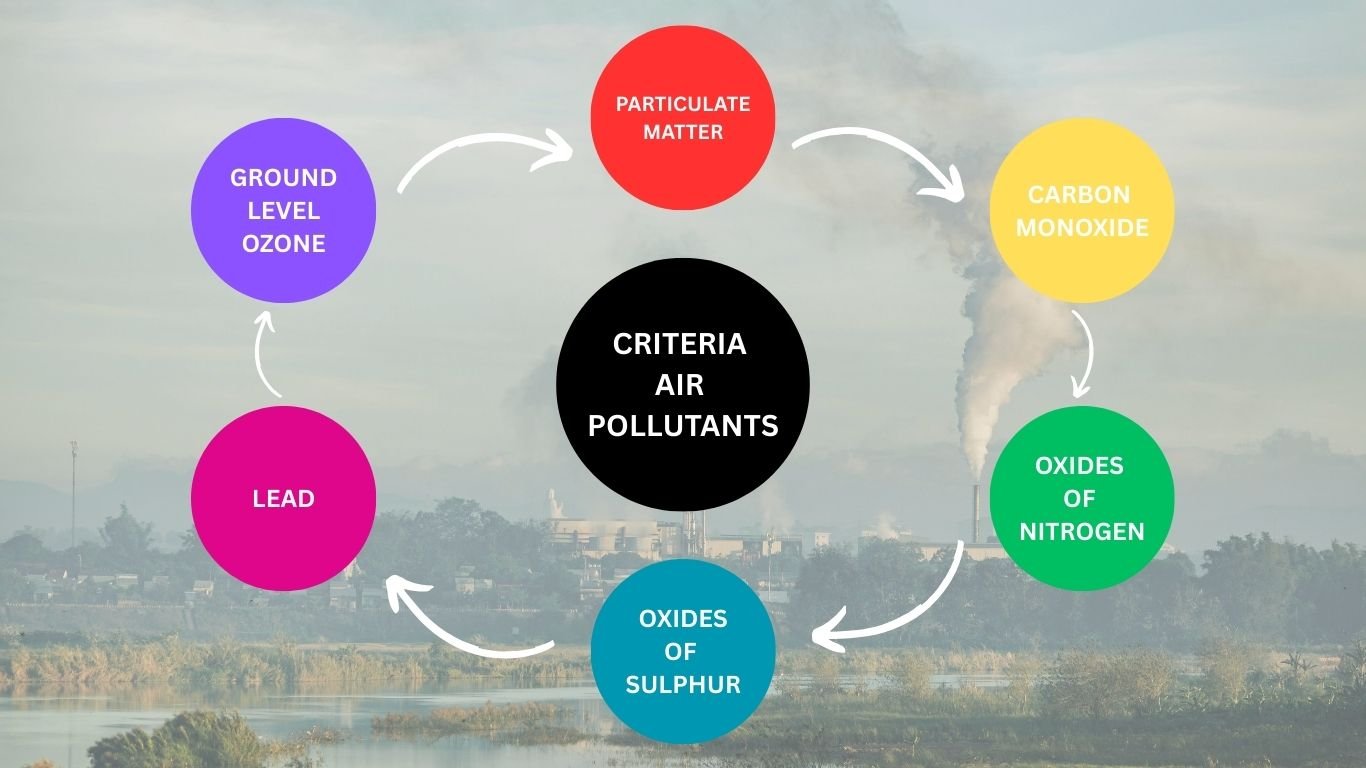
The impacts of these activities contaminate the water bodies, impose health issues on humans, reduce the air quality, and have impacts on the tectonic and rock cycle. The consequences include extreme weather events due to the change in the precipitation patterns, temperature and pressure changes, extreme weather events, frequent earthquakes, prolonged droughts, loss of habitat, devastating floods, melting of icecaps and glaciers.
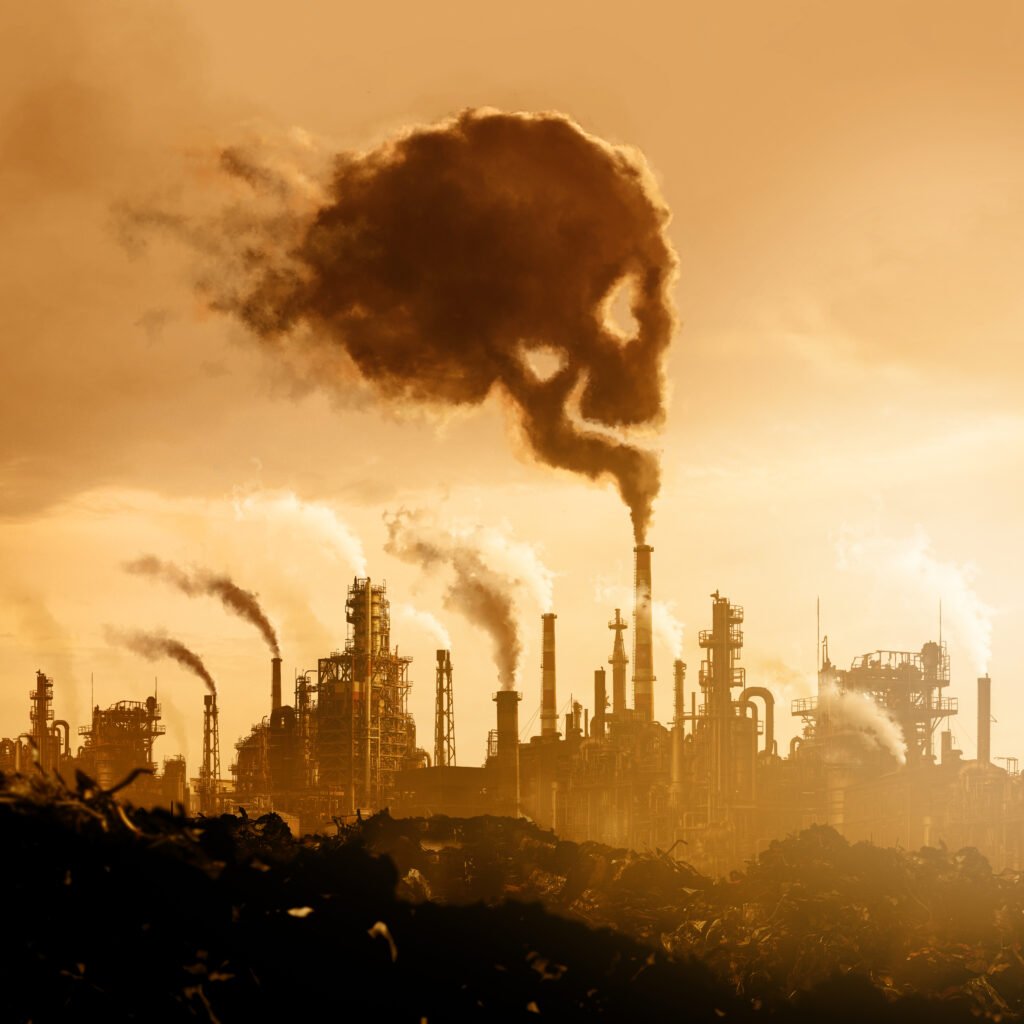
What is CLIMATE CHANGE?
The long-term change in the temperature and weather patterns of Earth, occurring on planet Earth for decades.
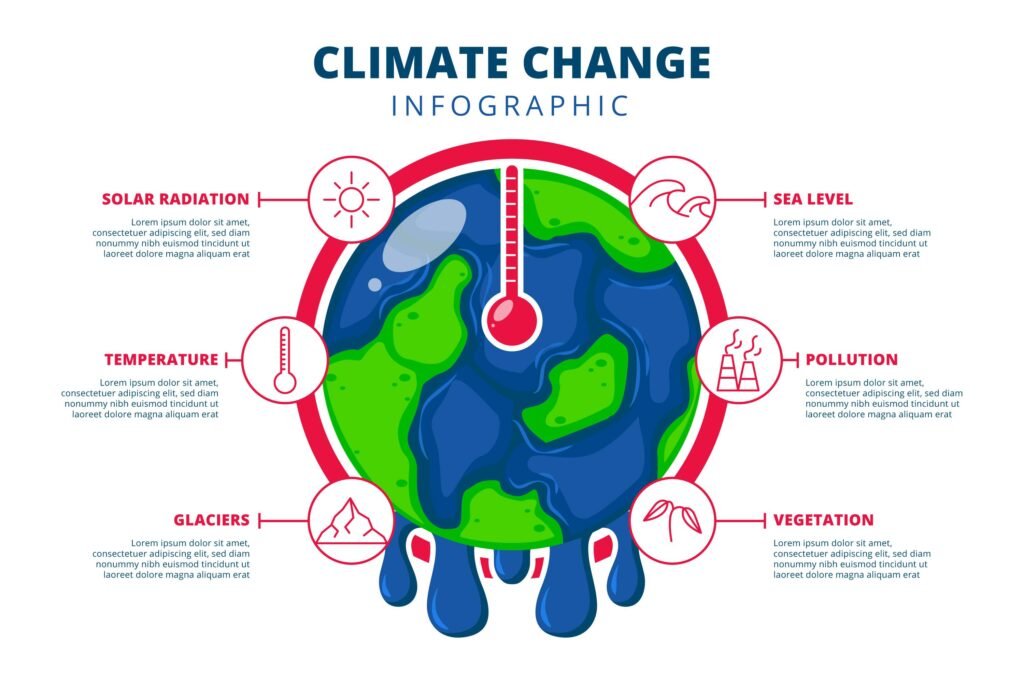
Global warming accelerates climate change (the only cause). Every year, Earth’s temperature rises by almost 1˚C, causing increased destructive and catastrophic events that lead to millions of deaths. This change affects the entire globe equally.
The consequences of climate change include the melting of glaciers, rising sea levels and global temperatures, extreme weather events, etc. It’s not an environmental concern anymore but an economic and social issue; food and water insecurity, health risks, migration are the impacts on human life.
Mitigation is less practical as the larger part of the population won’t give up on their standard of living acquired from the dependency on non-renewable resources of energy.
But, what’s the counter argument?
The Climate Shift…
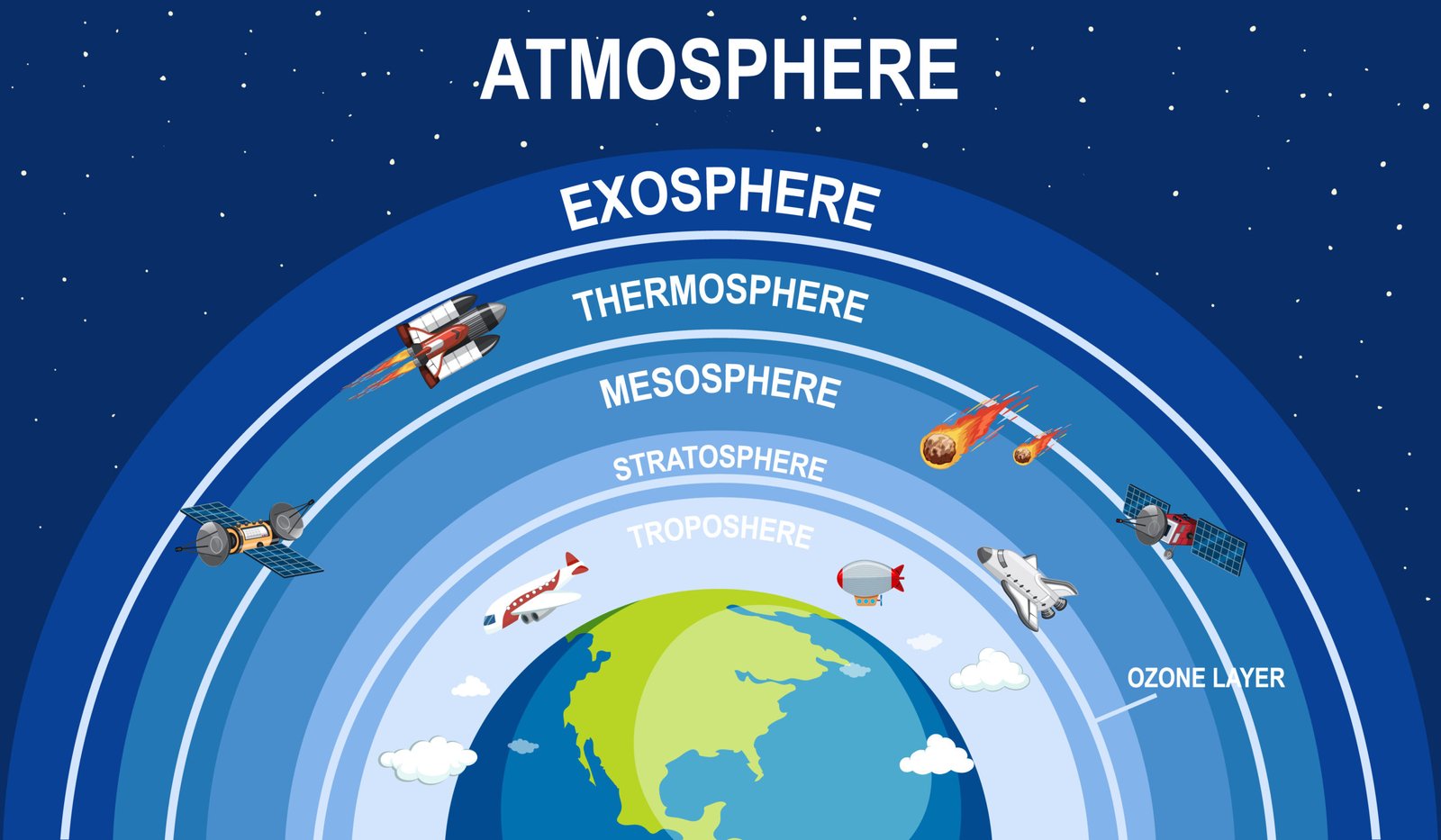
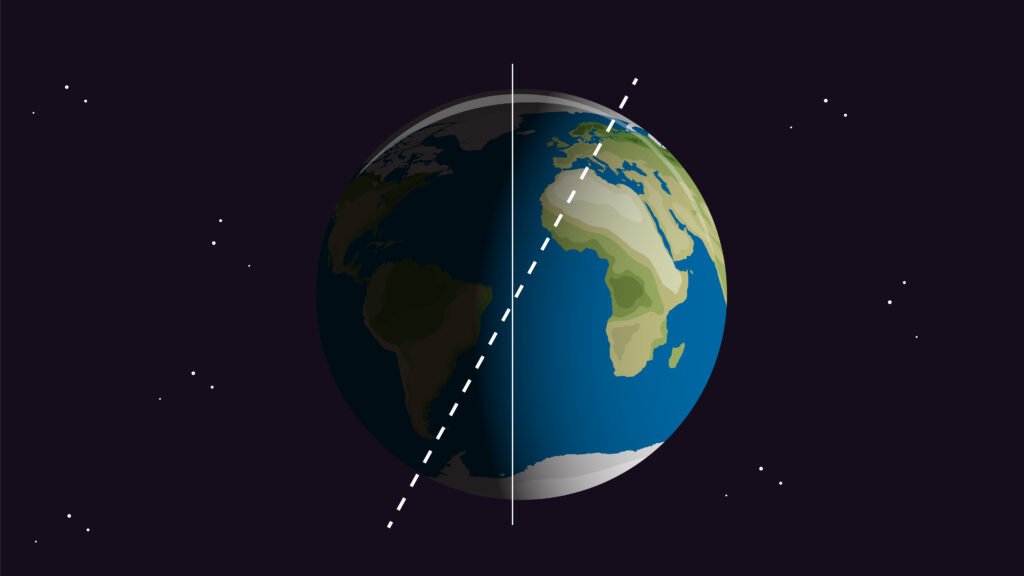
Global Warming changed the weather events and the precipitation patterns along with temperature rise leading to the melting of icecaps and glaciers. It has caused less evaporation and more condensation. The water volume increased ultimately causing sea level rise around the world. This sea level rise increased load on earth leading to the tilt of Earth to 1˚ from its axis. 1˚ tilt is a vital catalyst as it boosted the magnitude, frequency, wavelength and intensity of the incoming solar radiation. This phenomenon is enhanced by ozone depletion as well. This solar radiation causes the climate to change drastically in contrast to the past years.
Consequently, taking everything into account, we can state that Global Warming is due to anthropogenic activities —–> Climate Shift —–> Accelerated Climate change.
Check out our blog on Global Warming….