
Introduction:
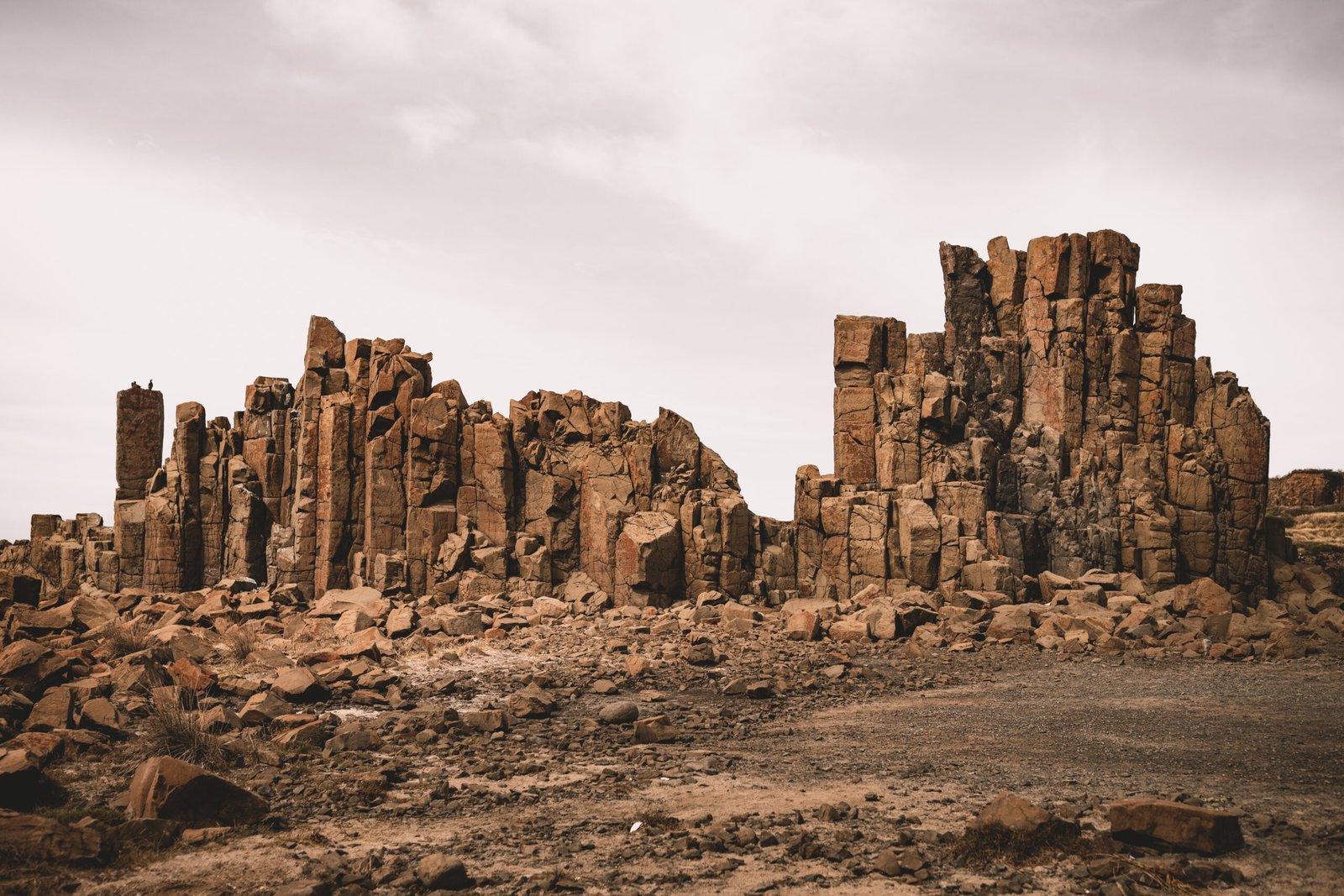
What are rocks? And what are the types of rocks? In this blog, we will go into detail about the 3 types of rocks that are found throughout the world.
Geologists define rocks as naturally occurring aggregates of minerals, formed through various geological processes such as cooling, crystallization, or compaction. Various minerals make up these aggregates, and their composition and structure depend on the conditions that shape their formation.
Geologists classify rocks based on the following criteria:
- The process of formation
- The texture
- The composition
3 Types Of Rocks:
There are mainly three types of rocks:
- Igneous Rocks
- Sedimentary Rocks
- Metamorphic Rocks
Igneous Rocks:
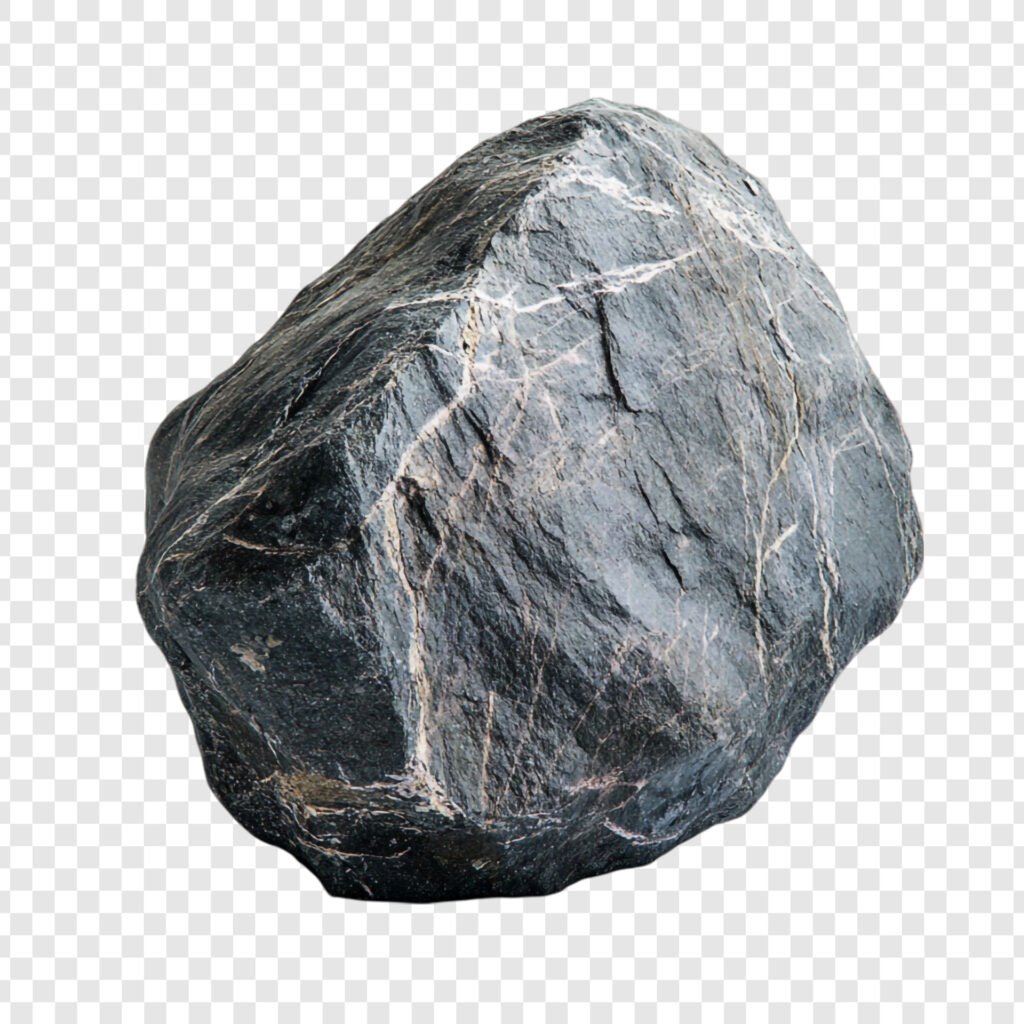
Magma or lava cools and solidifies, forming igneous rocks either beneath the Earth’s surface or after volcanic eruptions expel them.
Types of Igneous Rocks:
- Intrusive Rocks: They cool inside the Earth’s surface and comprise large crystals.
Example: Granite
- Extrusive Rocks: They cool on the surface of Earth and consist of fine crystals.
Example: Basalt
They are hard and crystalline.
Sedimentary Rocks:
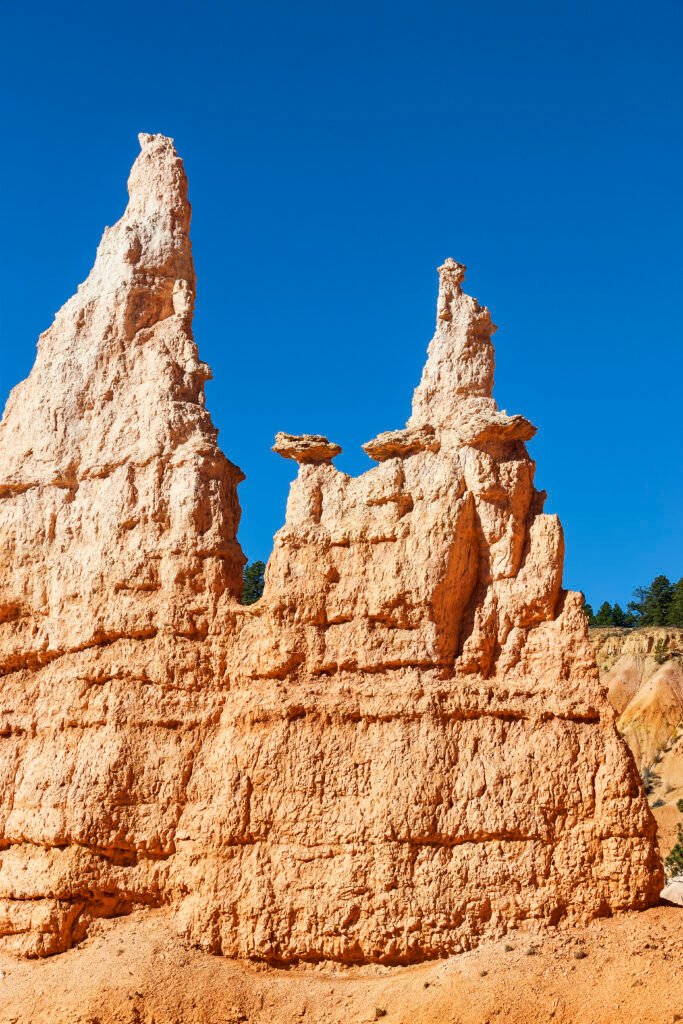
The rocks formed by the sedimentation and cementation of sediments.
Types of Sedimentary Rocks:
- Clastic: They are formed from weathered debris.
An example is: Sandstone
- Chemical: They are dissolved minerals.
Example: Limestone
- Organic: They are from natural remains
Example: Coal
They are layered and often contain fossils.
Metamorphic Rocks:
The rocks formed from existing rocks after they undergo high temperature and pressure.
Types of Metamorphic Rocks:
- Foliated rocks form layers.
Example: Gneiss.
- Non-foliated rocks don’t form layers
Example: Marble.
They are hard and compact.
Find out about Clouburst In this blog…