
What Are Criteria Air Pollutants:
Experts restrict the use of the term ‘criteria air pollutants’ to air pollutants that they regulate and use as indicators of air quality.
Six Criteria Air Pollutants (Types):
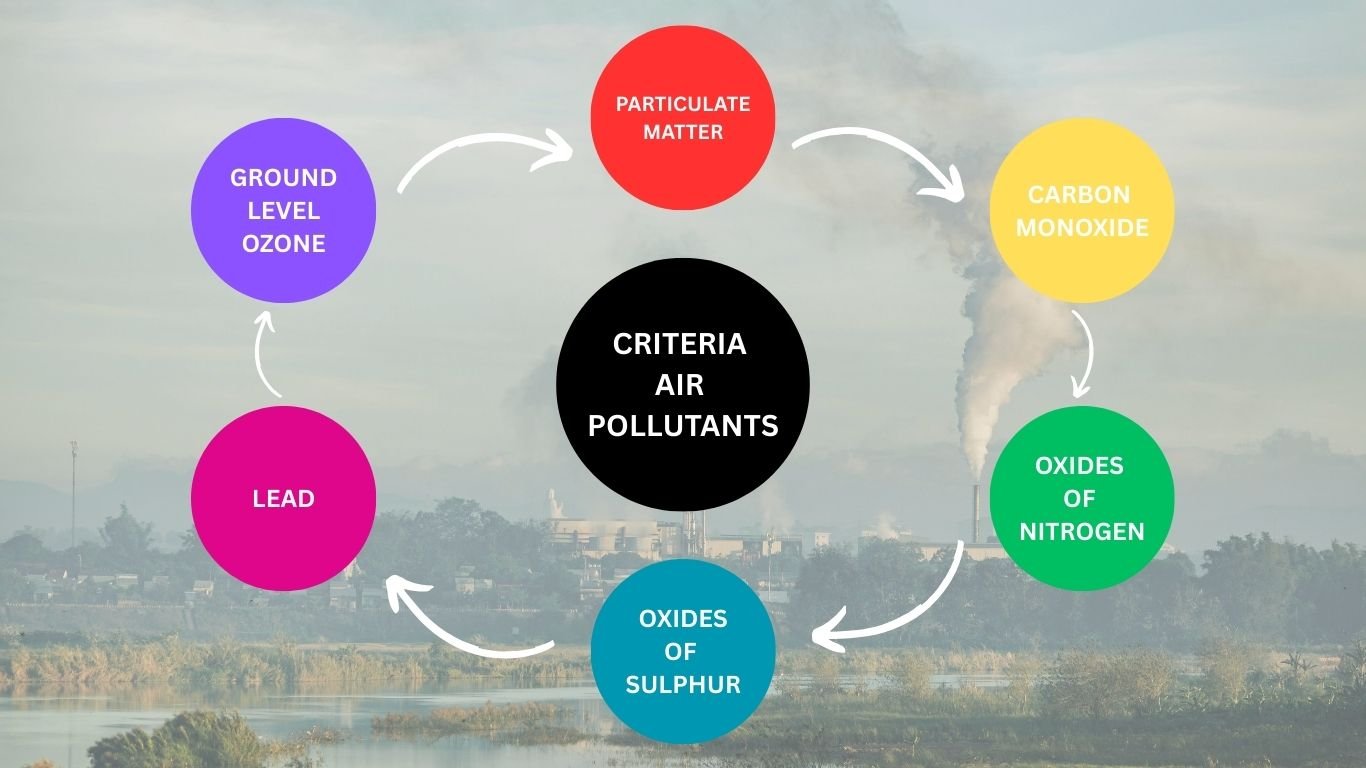
There are six criteria air pollutants:
- Particulate Matter (PM)
- Carbon monoxide (CO)
- Oxides of Sulphur (Sox)
- Oxides of Nitrogen (NOx)
- Lead (Pb)
- Ground-level Ozone (O3)
Particulate Matter (PM):
- The small solid and liquid particles suspended in the air are primarily dust, mineral particulates, acidic fumes, smog, and smoke.
- They are classified as PM 2.5 and PM10. PM2.5 is fine, while PM10 is coarse particles.
- Natural and anthropogenic sources emit them. The natural sources are forest fires and volcanic eruptions. The anthropogenic sources include automobile emissions, industrial emissions, incineration plants, cement industries, and wastewater treatment plants.
- The effectiveness of Particulate Matter depends upon the size. The smaller the size, the greater the potential health risk it causes.
Particulate Matter can get into the bloodstream and cause respiratory issues like lung cancer and asthma.
Carbon Monoxide (CO):
- A colorless, odorless, and very poisonous gas. Incomplete combustion emits it. This gas roles a vital role in the production of ground-level ozone.
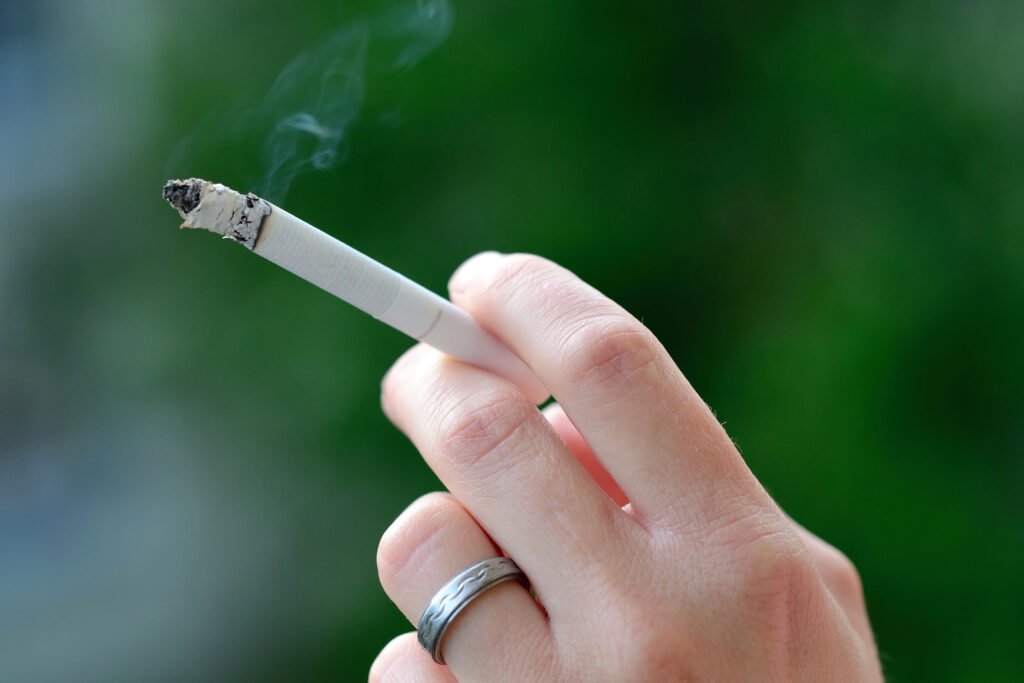
- The sources of Carbon Monoxide in the air are wood burning, smoked food production, burning fires, vehicular emissions, and smoking.
- It is very toxic, and the route of exposure is inhalation.
- Carbon Monoxide has 230 times more affinity towards the Hemoglobin as compared to Fe and Ca. Once carboxyhemoglobin is formed, oxygen depletion occurs (hypoxia).
- The symptoms can be acute and chronic. The early warning signs are headache, dizziness, fatigue, and shortness of breath. The continued exposure may cause nausea, confusion, fainting, and chest pain.
- CNS and the heart are the targeted organs.
Oxides Of Sulphur (SOx):
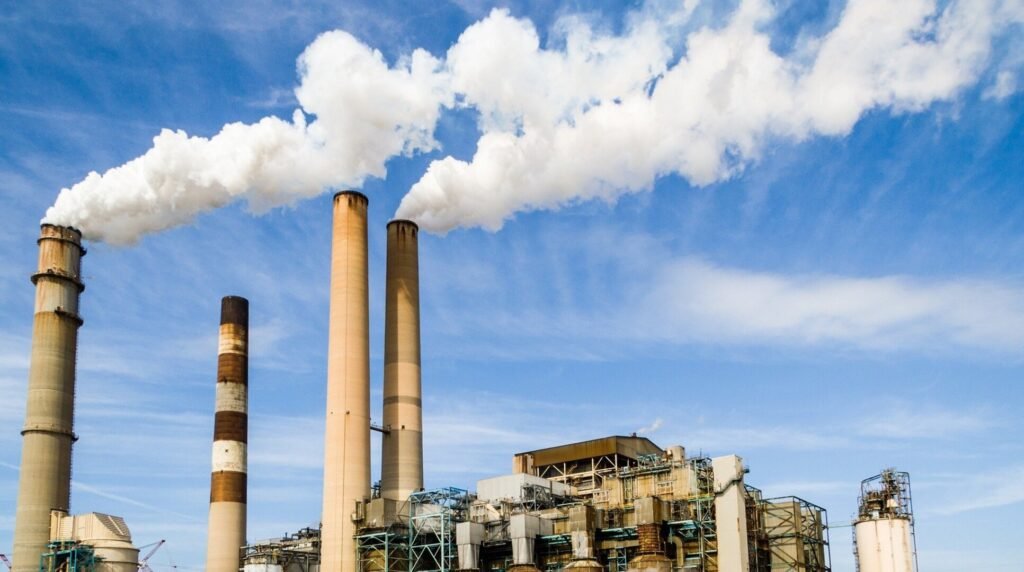
- Sulphur dioxide (SO2) is a colorless, highly toxic gas that is emitted due to coal and oil burning.
- It increases the atmospheric acidity when released in huge amounts and is of serious threat when combined with water vapors.
Oxides Of Nitrogen (NOx):
- Nitrogen dioxide is a brownish, highly reactive gas residing in the urban atmosphere.
- The heating of automobile engines or furnaces of industries at high temperature and pressure the NOx.
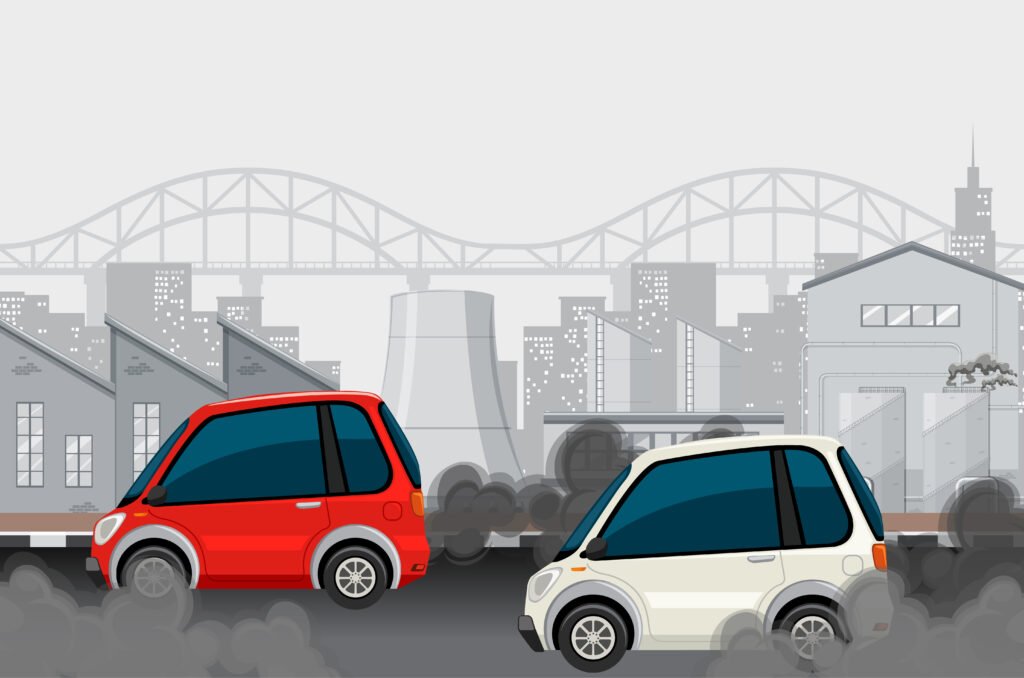
The Sox and Nox are the major components of acid rain and acid deposition in the environment. The acid deposit damages the leaves by causing chlorosis, weakening of leaves, and decreasing the resistance of plants towards pests and extreme weather events. Likewise, the aquatic life is also damaged as the acid deposition causes leaching out of Hg and Al deposits from the rock, which is responsible for disrupting the reproductivity of fish. Acid deposition also damages soil by acidifying it and producing soil infertility.

Lead (Pb):
- Lead (Pb) is a metal found in the environment both naturally and artificially. The dominant sources are anthropogenic, such as the smelting, incineration plants, and lead-acid battery manufacturers.
- The routes of exposure to lead are ingestion, inhalation, subcutaneous, and ocular.
- Lead can accumulate in the bones and blood. It adversely affects the CNS, kidney, immune system, reproductive system, and cardiovascular system.
- It also causes ecosystem disruption by causing loss in biodiversity, decreased reproduction in plants and animals, and neurological effects in vertebrates.
Ground Level Ozone:
- Three oxygen atoms combine to form ozone.
- Ozone is of two types:
- Tropospheric Ozone, also known as bad ozone produced by human activities involving the photochemical reaction between NOx and VOCs.
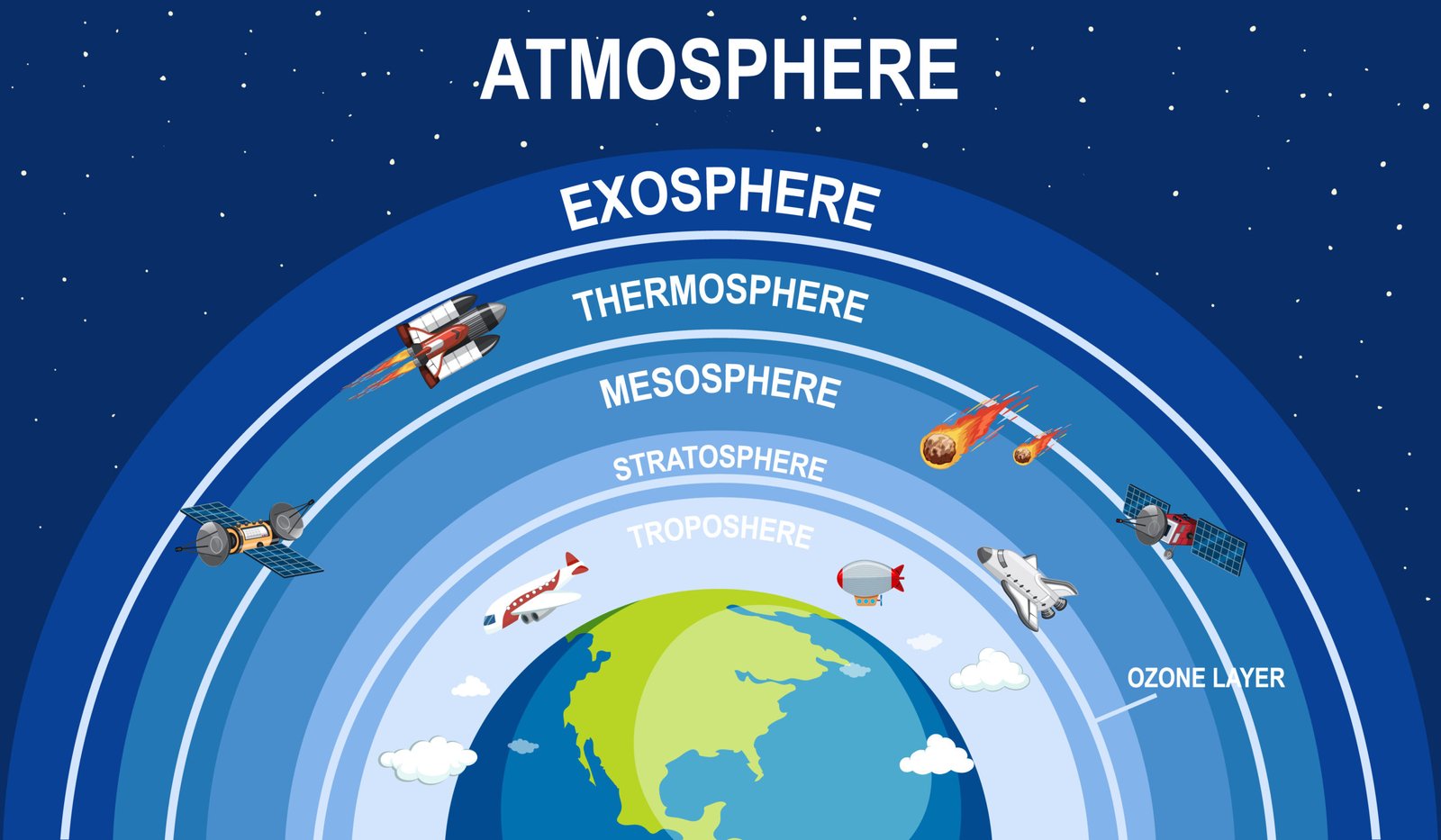
- Stratospheric Ozone, also known as good ozone, is produced naturally. The good ozone layer is a crucial requirement as it protects Earth from harmful UV radiation. The ground-level ozone causes harmful health effects, damages vegetation and wildlife.
Related Blog:
Check out this other blog on Roles of Forests in Carbon Sequestration.